
Subscribe and receive email notifications of new blog posts.
 RSS Feed
- 2026 | 33 Posts
- 2025 | 42 Posts
- 2024 | 30 Posts
- 2023 | 37 Posts
- 2022 | 61 Posts
- 2021 | 41 Posts
- 2020 | 26 Posts
- 2019 | 2 Posts
8
Do You Have What It Takes To Tackle A Fixer-Upper?
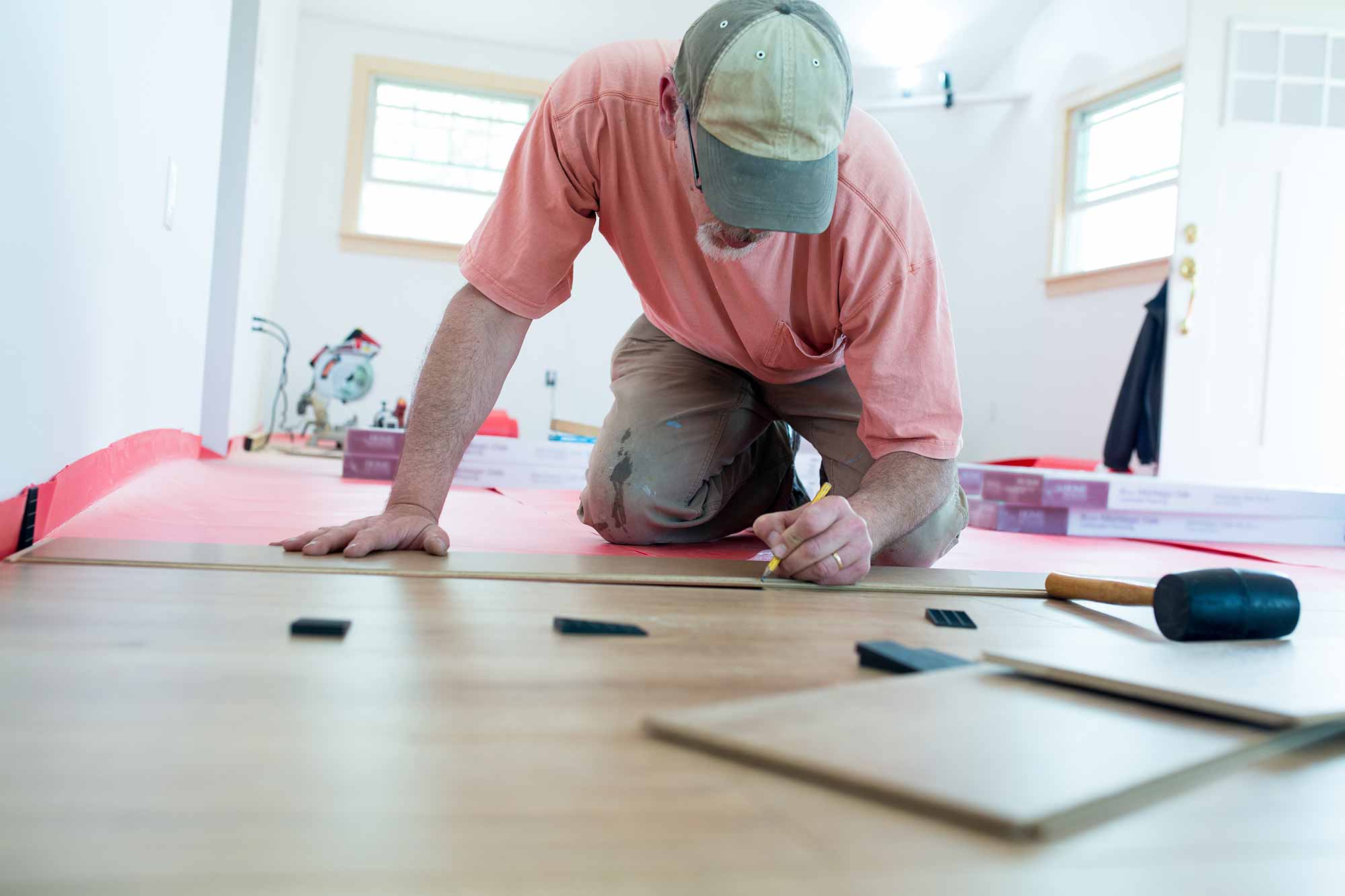
From the August 2020 issue of @Home with Coldwell Banker Tomlinson.
Buying a house that needs renovations can be a great way to find a deal, but before you decide to pounce on that tempting offering price, ask yourself these questions:
Can your budget accommodate renovations and unexpected costs?
Naturally, the draw of a fixer-upper is that you can purchase it for a much lower price than
a similarly sized and located move-in ready home. The trick is deciphering exactly how much work the home needs, how much it will cost, and whether the combined renovation/purchase cost of the home will ultimately be more affordable than buying a house that's ready right now. When you're done, add 15% for the unexpected.
How much of the work can you handle yourself?
One way to keep renovation costs down when buying a house is to handle as much of the work as possible yourself, but it's important to be realistic about what projects truly qualify as DIY. If you have experience in the contracting trades or have renovated a home in the past, then you may be able to tackle some of the more costly aspects of renovating. Most people will need to leave the bigger, more costly aspects of renovating to the pros.
How soon do you need to move in, and do you have a place to stay?
If you have a place to stay and don't need to move into your new home right away, then time may not be a major issue. If you need to move in ASAP, then a fixer-upper probably isn't the right choice when buying a house.
Do you have trusted service providers?
No matter how much or how little of the work you can handle DIY, you'll likely still need contractors, an architect, and other service providers to tackle key tasks. It helps to have people you know and trust – or referrals from trusted sources – when coordinating work on a fixer-upper. Having quality service providers helps keep added costs down, and makes it easier to keep the project on schedule.
Do you have a vision for the home you'd like to create?
Success with a fixer-upper depends in large part on having a plan and being able to see it through to completion. So it's essential to have a vision of the home that you want to create. If you don't, then buying a move-in ready house may provide more value for your investment.

|
 |
